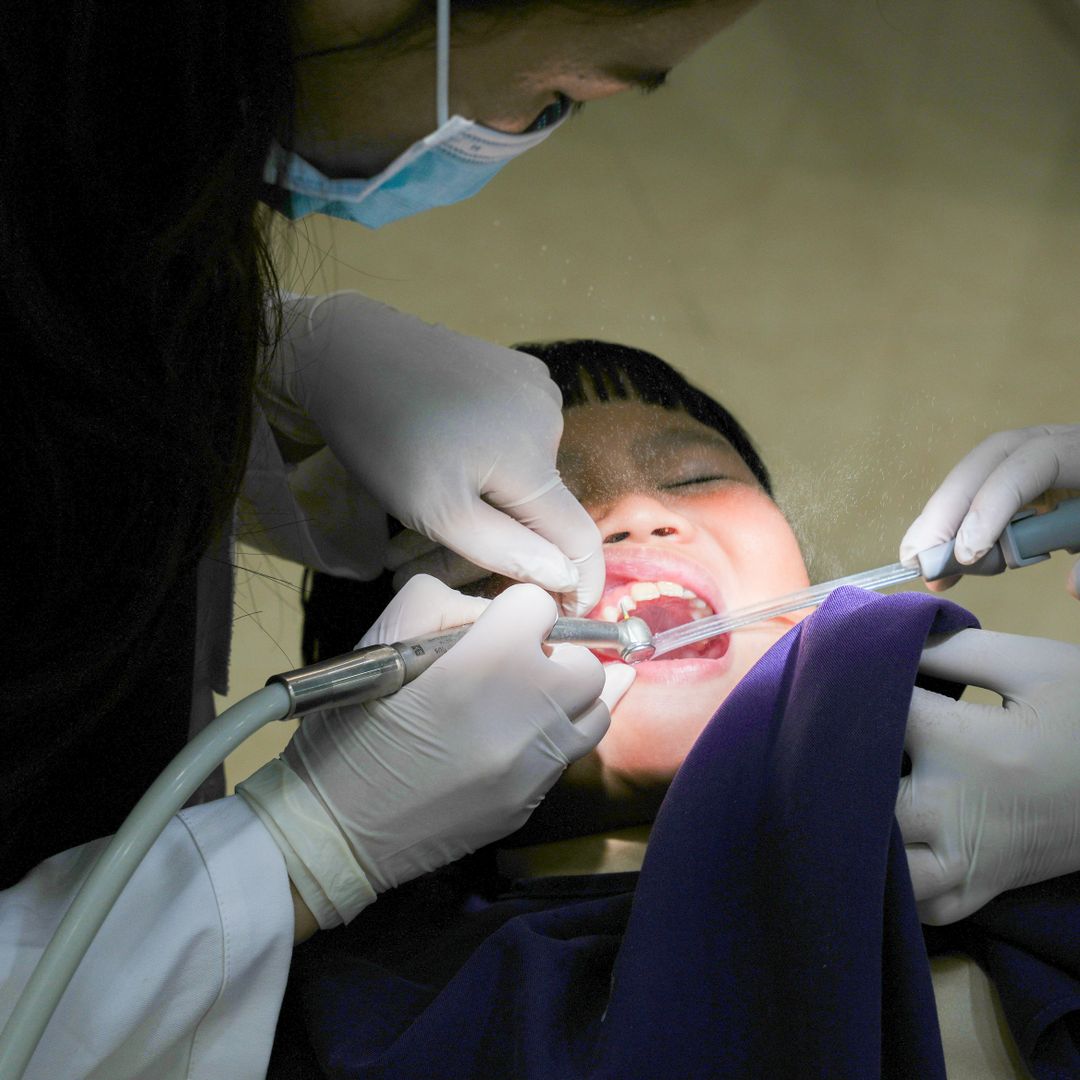

NHIS dental coverage foreigners Korea 2026 provides a baseline of protection for residents enrolled in the national system, though it does not encompass every procedure performed at a clinic. Accessing dental care in Korea requires distinguishing between services that qualify for government-subsidized benefits and those that are considered non-insured, or “out-of-pocket,” treatments. Foreign residents should note that while the National Health Insurance Service (NHIS) covers essential preventative and restorative tasks, the financial responsibility for aesthetic or high-end restorative work often falls entirely on the patient.
Eligibility for Dental Benefits
Any foreign resident who has completed mandatory enrollment in the national health system is eligible to receive dental benefits. This includes individuals on employment visas, student visas, and those who have registered as dependents under a primary policyholder. Eligibility remains consistent regardless of nationality, provided that monthly premiums are paid in full and the account is in good standing. If you are uncertain about your current enrollment status, you can verify your details through the official NHIS portal or by visiting a local branch office. When managing your overall financial health, it is wise to consider how these public benefits interact with other protections, such as Life Insurance policies that may offer supplemental coverage for accidental dental injury.
Coverage Terms and Limitations
The scope of public dental benefits is defined by the Ministry of Health and Welfare (MOHW) and focuses primarily on basic maintenance and essential treatments. Treatments such as simple extractions, basic fillings, and annual dental check-ups are generally subsidized, meaning the patient pays a small percentage of the total cost while the state covers the remainder. For individuals aged 65 and older, the system provides partial coverage for dental implants and dentures to assist with long-term oral health. You can find detailed breakdowns of these benefits in the official Insurance Guide provided by the national service.
| Treatment Type | Coverage Status | Typical Patient Cost |
|---|---|---|
| Routine Check-up | Covered | Low Co-payment |
| Basic Fillings | Covered | Low Co-payment |
| Dental Implants (65+) | Partially Covered | 30% of standard cost |
| Orthodontics (Braces) | Not Covered | 100% Out-of-pocket |
| Teeth Whitening | Not Covered | 100% Out-of-pocket |
| Cosmetic Veneers | Not Covered | 100% Out-of-pocket |
Exclusions and Non-Covered Procedures
Most procedures categorized as cosmetic or elective are excluded from the statutory dental plan. This means that if you pursue teeth whitening, orthodontic correction for aesthetic purposes, or gold-based fillings, you will be required to pay the full market rate charged by the clinic. Furthermore, while the system covers basic restorative care, specialized materials or newer, non-standard dental technologies are frequently omitted from the list of reimbursable items. Always consult with your dentist to confirm if a specific procedure is “non-benefit” (bi-geup-yeo) before the treatment begins to avoid unexpected bills. Understanding these exclusions is a fundamental part of maintaining personal financial compliance, similar to understanding your obligations under Tax Law regarding medical expense deductions.
Enrollment and System Integration
Foreigners residing in Korea for more than six months are generally required to enroll in the national system automatically. Once enrolled, your status as a dental patient is integrated into the national database, allowing dentists to view your eligibility instantly when you present your Alien Registration Card or Residence Card. If you change your employment status or visa type, ensure that your records are updated promptly to prevent any disruption in coverage. While this covers your medical needs, you may also consider other forms of protection for your assets, such as Auto Insurance, to ensure full coverage across all aspects of life in Korea.
Claims and Reimbursement Processes
In the Korean system, the process is streamlined because the co-payment is usually deducted at the point of service. When you visit a dentist, you pay only your share, and the clinic handles the billing for the remaining balance directly with the NHIS. You typically do not need to file manual claims for standard dental services covered by the national plan. If you are required to pay the full amount upfront due to a system error or an international claim, you must keep all detailed receipts and submit a reimbursement request to your local NHIS office.
Official Sources and Checked Date
The information provided aligns with standards set by the National Health Insurance Service (https://www.nhis.or.kr/english) and the regulatory framework overseen by the Financial Services Commission (https://www.fsc.go.kr/eng). This content was last verified for accuracy in 2026.
자주 묻는 질문 (FAQ)
Are dental implants covered for all foreign residents in 2026?
No, dental implant subsidies are primarily reserved for residents aged 65 and older. Younger patients typically pay the full cost for these procedures.
Do I need to submit paper claims for my dental visits?
Generally, no. Most dental clinics in Korea process the insurance discount directly at the counter, leaving only the co-payment for you to settle.
Where can I check if a specific dental procedure is covered?
You can inquire directly at the dental clinic, which can check your status in the national system, or visit the official NHIS website.
Does the national dental insurance cover orthodontic treatment like braces?
Orthodontic treatment is largely considered a non-benefit or cosmetic procedure and is typically not covered by the national system.
Get in Touch
Have questions about your specific situation? Reach out anytime for a personal consultation.