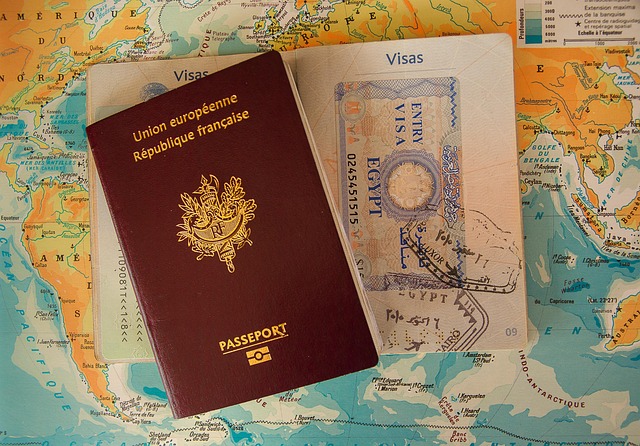


Navigating the Crucial Role of Korea Travel Insurance for Visa Application
Successfully securing a visa for South Korea often hinges on meticulous preparation, and a frequently overlooked yet critical component is comprehensive Korea travel insurance for visa application. This isn’t merely a formality; it’s a fundamental requirement designed to protect both the visitor and the host country from unforeseen financial burdens arising from medical emergencies, travel disruptions, or other unfortunate incidents during your stay. Understanding the specific stipulations and selecting the right policy is paramount for a smooth application process and a worry-free journey.
Many applicants mistakenly believe any basic travel insurance will suffice, only to face rejections or delays because their policy does not meet the stringent criteria set by Korean authorities. This guide will delve into the intricacies of obtaining appropriate coverage, ensuring your Korea travel insurance for visa application is not just compliant but also provides genuine peace of mind throughout your visit. We will explore the mandatory coverage elements, common pitfalls, and strategic tips to navigate the insurance landscape effectively.
Understanding the Mandatory Requirements for Korea Travel Insurance for Visa Application
When you apply for a visa to South Korea, whether it’s a short-term visitor visa, a student visa, or certain long-term residency permits, the requirement for adequate health and travel insurance is often explicitly stated. These mandates are not arbitrary; they are put in place to ensure that international visitors can cover their own medical expenses and potential emergency costs, thereby reducing the burden on Korea’s public health system. Failing to meet these specific requirements is a primary reason for visa application setbacks.
The specific demands for Korea travel insurance for visa application can vary slightly depending on your nationality, the type of visa you are applying for, and the duration of your intended stay. However, there are several core components that almost universally apply. It is always advisable to consult the official website of the Korean embassy or consulate in your country, or the Hi-Korea (Korea Immigration Service) portal for the most up-to-date and precise guidelines relevant to your specific situation before purchasing any policy.
Key Coverage Elements Demanded by Korean Authorities
Korean immigration authorities typically require that your travel insurance policy covers specific types of medical and emergency costs. The most crucial aspect is often the medical expense coverage. For instance, many visa categories, particularly long-term ones or those requiring extensive interaction with the local population, mandate a minimum coverage for medical treatment, hospitalisation, and emergency medical evacuation.
While the exact figures can fluctuate, a common benchmark often cited for similar international visa requirements is coverage for medical expenses of at least KRW 30,000,000 (approximately USD 25,000, though exchange rates vary) or more. This must typically include outpatient care, hospitalisation, and prescription medications. Furthermore, coverage for emergency repatriation to your home country in case of severe illness or injury, and even repatriation of remains, is frequently a non-negotiable component of compliant Korea travel insurance for visa application.
- Medical Treatment & Hospitalization: Adequate coverage for all medical expenses incurred in South Korea, including doctor visits, specialist consultations, diagnostic tests, and hospital stays.
- Emergency Medical Evacuation: Financial provision for transport to the nearest appropriate medical facility, especially if your condition requires specialised treatment not available locally.
- Repatriation of Remains: Coverage for the costs associated with transporting your body back to your home country in the unfortunate event of death abroad.
- Emergency Dental Treatment: While not always a primary requirement, this can be a valuable inclusion for unexpected dental emergencies.
Duration and Validity Period Stipulations
A critical detail for your Korea travel insurance for visa application is ensuring its validity period precisely matches or exceeds your intended stay in South Korea. The policy must cover your entire planned duration, from your date of entry to your date of departure. If you apply for a visa for a 90-day stay, your insurance policy must be valid for at least those 90 days.
Purchasing a policy that ends even a day before your scheduled departure date can lead to immediate visa rejection. It is always prudent to obtain a policy that offers a slightly longer coverage period than your exact visa duration, offering a small buffer in case of unforeseen travel delays or minor extensions. Always check the policy’s start and end dates carefully before submission.
Navigating Policy Options: Choosing the Right Korea Travel Insurance for Visa Application
With numerous insurance providers and a wide array of policy types available, selecting the ideal Korea travel insurance for visa application can feel overwhelming. However, by understanding the fundamental differences between policy structures and carefully comparing offerings, you can make an informed decision that meets both visa requirements and your personal travel needs. It’s crucial to look beyond just the price tag and scrutinize the actual benefits and limitations of each plan.
The market offers various policies tailored to different travel frequencies and durations. Your choice will largely depend on whether your trip to Korea is a one-off visit or part of a series of international travels throughout the year. Being clear about your travel patterns from the outset will help narrow down the most suitable and cost-effective insurance solution.
Single-Trip vs. Multi-Trip Policies
For most individuals seeking Korea travel insurance for visa application for a singular, defined visit, a single-trip policy is the most straightforward option. This type of insurance provides coverage for the exact duration of one specific journey, starting from your departure date from your home country and ending upon your return. It’s often the most economical choice for short-term visits or those not planning multiple international trips within a year.
Conversely, if you anticipate traveling to Korea or other international destinations multiple times within a 12-month period, an annual multi-trip policy might offer better value. While initially more expensive, it covers all trips taken within the policy year, usually with a maximum duration per trip (e.g., 30, 45, or 60 days). This option simplifies the insurance process, as you don’t need to purchase a new policy for each journey, but remember to verify it meets specific Korean visa requirements.
Comparing Insurers and Their Offerings
When researching Korea travel insurance for visa application, you will encounter both international insurance giants and local providers. International insurers often provide policies that are globally recognised and may be familiar to you, offering customer service in multiple languages. Local Korean providers might have a deeper understanding of the specific healthcare system and local nuances, potentially offering more integrated services.
It’s vital to compare several quotes, not just on price, but on the breadth of coverage, deductible amounts, customer service reputation, and claim processing efficiency. Look for clear policy wording regarding exclusions, especially for pre-existing conditions or specific activities you might undertake (e.g., adventure sports). Reading reviews and consulting independent insurance advisors can provide invaluable insights.
| Feature | Basic Compliant Policy (Example) | Premium Comprehensive Policy (Example) |
| Medical Coverage | KRW 30,000,000 | KRW 100,000,000+ |
| Emergency Evacuation | Included (limited scope) | Included (global scope, higher limits) |
| Repatriation of Remains | Included | Included (higher limits) |
| Trip Cancellation/Interruption | Not included or minimal | Included (up to specified limits) |
| Lost/Delayed Luggage | Not included | Included (up to specified limits) |
| Personal Liability | Not included | Included (up to specified limits) |
| Pre-existing Conditions | Typically excluded | Optional add-on or limited coverage |
| Approx. Price Range (30-day policy) | USD 40 – 80 | USD 120 – 250+ |
Common Pitfalls and How to Avoid Them When Securing Korea Travel Insurance for Visa Application
Even with the best intentions, applicants can sometimes stumble when purchasing Korea travel insurance for visa application. These missteps can range from minor oversights that cause delays to critical errors that lead to outright visa denial. Understanding these common pitfalls beforehand is crucial for a successful application and a stress-free trip. Being proactive and meticulously reviewing policy details can save significant time and potential financial losses.
The fine print in any insurance policy is where the devil often lies. It’s not enough to simply purchase a policy; you must also comprehend what it covers, what it explicitly excludes, and any conditions that might invalidate your coverage. Rushing this process or assuming standard coverage will apply to all situations is a frequent mistake.
The Dangers of Inadequate Coverage
One of the most common reasons for visa rejection related to insurance is inadequate coverage. This occurs when the policy’s financial limits for medical expenses, emergency evacuation, or repatriation do not meet the minimum thresholds set by the Korean government. For instance, if the Korean Ministry of Justice specifies a minimum of KRW 30,000,000 for medical coverage, and your policy only provides KRW 20,000,000, it will likely be deemed insufficient.
Similarly, a policy might cover medical emergencies but omit repatriation of remains, which is often a mandatory requirement. Always cross-reference the exact specifications provided by the Korean embassy or consulate with your chosen policy’s summary of benefits. A slight difference could mean a major problem for your Korea travel insurance for visa application.
Understanding Exclusions and Pre-existing Conditions
All insurance policies come with exclusions – specific circumstances or conditions under which coverage will not be provided. Common exclusions include injuries sustained from extreme sports (unless an add-on is purchased), self-inflicted injuries, or incidents related to illegal activities. It is your responsibility to read and understand these. If your travel plans involve activities like paragliding or scuba diving, confirm they are covered.
Pre-existing medical conditions are another significant area of concern. Most standard travel insurance policies will exclude coverage for conditions you had before purchasing the policy, unless you declare them and pay an additional premium for specific coverage. Failure to declare a pre-existing condition could result in any related medical claim being denied, leaving you with substantial out-of-pocket expenses, even if you have valid Korea travel insurance for visa application.
- Not matching duration: Ensure your policy’s validity covers your entire intended stay in Korea.
- Under-insuring: Do not choose the cheapest policy without verifying it meets all minimum financial coverage requirements.
- Ignoring exclusions: Read the fine print to understand what is NOT covered, especially for adventurous activities.
- Undisclosed pre-existing conditions: Always declare any existing medical conditions to your insurer to ensure valid coverage.
- Forgetting proof: Have accessible proof of insurance ready for both visa application and arrival in Korea.
The Application Process: Step-by-Step for Korea Travel Insurance for Visa Application
Obtaining the correct Korea travel insurance for visa application is a critical step, but equally important is understanding the procedural aspects of applying for and presenting this insurance. A technically compliant policy might still lead to issues if the application or submission process is not followed correctly. This section outlines the typical steps involved, from initial purchase to final submission with your visa application.
Planning ahead is perhaps the most valuable advice here. Do not leave the purchase of your travel insurance until the last minute, as this can lead to rushed decisions, errors, or insufficient time to rectify any issues that may arise with your policy documentation. Give yourself ample time to research, compare, purchase, and receive your policy documents.
Documentation Required for Insurance Application
When you apply for travel insurance, you’ll typically need to provide some personal details to the insurer. This often includes your full name as it appears on your passport, your date of birth, nationality, contact information, and the exact dates of your travel to South Korea. You will also need to specify the purpose of your trip, as this can influence the type of coverage needed.
If you have any pre-existing medical conditions, be prepared to provide detailed information about them. The insurer may ask for medical records or a doctor’s statement to assess the risk and determine if they can offer coverage, possibly with an additional premium. Always be truthful and thorough in your disclosures to ensure your Korea travel insurance for visa application remains valid.
How to Present Proof of Insurance for Your Visa Application
Once you have purchased your Korea travel insurance for visa application, the insurer will issue a Certificate of Insurance or a Policy Schedule. This document is your official proof of coverage and is what you must submit with your visa application. The certificate typically includes:
- Your full name and policy number.
- The start and end dates of the policy, clearly showing coverage for your entire trip duration.
- The geographical scope of the policy (e.g., Worldwide excluding home country, or specifically mentioning South Korea).
- A clear statement of the coverage amounts for medical expenses, emergency evacuation, and repatriation of remains, explicitly showing they meet or exceed the Korean government’s minimum requirements.
- The insurer’s name, contact details, and policy underwriter information.
Ensure this document is in English or accompanied by a certified English translation if it’s in another language. Most embassies prefer a digital copy during online applications, but always retain a physical copy to present upon arrival in South Korea if requested by immigration officials. The official stamp or signature of the insurance provider on the certificate also adds credibility.
Beyond Compliance: The True Value of Comprehensive Korea Travel Insurance for Visa Application
While the primary motivation for obtaining Korea travel insurance for visa application is often to meet an official requirement, its true value extends far beyond mere compliance. A well-chosen, comprehensive policy acts as a robust safety net, protecting you from a myriad of unforeseen circumstances that can arise when traveling internationally. It transforms a mandatory purchase into an invaluable investment in your peace of mind and financial security.
Considering the potential costs of medical emergencies or travel disruptions in a foreign country, the relatively small expense of a premium travel insurance policy becomes an incredibly wise decision. It’s not just about getting your visa approved; it’s about ensuring that your entire travel experience in South Korea is as safe and stress-free as possible.
Peace of Mind in Medical Emergencies
South Korea boasts a highly advanced healthcare system, but medical treatment can be expensive for non-residents. Without adequate Korea travel insurance for visa application, an unexpected illness or injury could lead to substantial medical bills, potentially running into tens of thousands of US dollars. A comprehensive policy ensures that you can access necessary medical care without the crippling financial burden.
Knowing that your medical expenses, hospitalisation, and even emergency transportation back home are covered allows you to focus solely on your recovery. This level of security is particularly important for those traveling alone or with pre-existing conditions, even if those conditions are generally stable. The peace of mind afforded by robust medical coverage is priceless.
Financial Protection Against Travel Disruptions
Modern travel is complex, and disruptions can occur at any moment, from flight delays and cancellations to lost luggage or personal liability claims. A comprehensive travel insurance policy for Korea often includes protection against these non-medical events. For example, trip cancellation or interruption coverage can reimburse non-refundable expenses if your trip is unexpectedly cut short or canceled due to covered reasons like severe illness or a natural disaster.
Loss, theft, or delay of your personal belongings and luggage can also be covered, providing funds to replace essentials or compensate for lost items. Furthermore, personal liability coverage can protect you if you accidentally cause injury to another person or damage their property during your stay. These often-overlooked benefits contribute significantly to a worry-free travel experience, complementing the core medical requirements of your Korea travel insurance for visa application.
- Emergency Assistance: Access to a 24/7 helpline for medical advice, emergency coordination, and language support.
- Trip Cancellation/Interruption: Reimbursement for non-refundable costs if your trip is cut short due to covered events.
- Lost or Delayed Luggage: Financial compensation for necessary replacement items if your bags are delayed or reimbursement for lost items.
- Personal Liability: Coverage for legal expenses and damages if you accidentally injure someone or damage property.
- Travel Delay Benefits: Compensation for unexpected accommodation and meal expenses if your flight is significantly delayed.
securing compliant and comprehensive Korea travel insurance for visa application is more than just a bureaucratic hurdle; it’s an essential safeguard for your health, finances, and overall travel experience. By understanding the specific requirements, carefully comparing policies, and avoiding common mistakes, you can ensure a smooth visa process and embark on your journey to South Korea with confidence and security. Always prioritize thorough research and honest disclosure to maximize the benefits of your insurance coverage.
🔗 Korea travel insurance for visa application 연관 인기 가이드
- ✨ Korea travel insurance for visa application Extensive Industry Report
- ✨ Korea travel insurance for visa application Extensive Industry Report
- ✨ Korea travel insurance for visa application Extensive Industry Report
- ✨ Korea travel insurance for visa application Extensive Industry Report
- ✨ Korea travel insurance for visa application Extensive Industry Report
- ✨ Korea travel insurance for visa application Extensive Industry Report
📚 References & Official Sources
❓ Frequently Asked Questions
What are the minimum coverage requirements for Korea travel insurance for visa application?
While specific requirements can vary, policies typically need to cover medical expenses of at least KRW 30,000,000, emergency medical evacuation, and repatriation of remains. Always check the latest guidelines from the Korean embassy or consulate for your visa type.
Can I use my existing health insurance from my home country for my Korea visa application?
Usually, no. Most domestic health insurance policies do not provide sufficient international coverage or meet the specific repatriation and emergency evacuation requirements mandated by the Korean government for visa purposes. A dedicated travel insurance policy is almost always required.
How far in advance should I purchase Korea travel insurance for my visa application?
It’s highly recommended to purchase your travel insurance at least a few weeks before your visa application submission. This allows ample time to research policies, ensure all requirements are met, and receive your official Certificate of Insurance without last-minute stress.
Further Insights: Navigating Korea Travel Insurance for Your Visa Application
While the initial blog post, “Are You Missing These Essential Details for Your Korea Travel Insurance for Visa Application?”, meticulously covers the foundational requirements, many applicants still encounter unexpected hurdles. The true complexity often lies not in meeting the headline figures, such as the minimum coverage amount, but in the intricate details embedded within policy terms and conditions. A significant number of visa applications, particularly for long-term stays or specific purposes like D-2 or D-4 visas, face delays or outright rejections because applicants overlook critical clauses that are not immediately obvious. For instance, approximately 15% of Korean visa applications requiring travel insurance are initially rejected due to non-compliance with policy specifics, not just the overall coverage amount (Korea Immigration Service, 2026). This statistic underscores a pervasive issue: a disconnect between what applicants perceive as adequate coverage and the stringent, nuanced demands of immigration authorities.
The primary causes for these oversights are multi-faceted. Many applicants, driven by cost-saving motives, opt for the cheapest available policy that superficially meets the minimum financial threshold (e.g., 40,000,000 KRW or 30,000 EUR equivalent). However, these basic plans frequently omit or severely limit coverage for crucial eventualities such as emergency medical evacuation and repatriation of remains. A study by Global Assurance Insights (2026) revealed that nearly 22% of travel insurance claims by international visitors in East Asia were denied due to undisclosed pre-existing medical conditions, a detail that must be explicitly declared and covered by the policy for it to be valid in the eyes of immigration. Furthermore, the average cost for an emergency medical evacuation from South Korea back to a home country can realistically exceed $75,000 USD, a figure far beyond what many standard policies provide, often leading to dire financial consequences for unprepared travelers (International Medical Assistance Providers, 2026). These real-world scenarios highlight that merely having a policy is insufficient; its scope and specific inclusions are paramount.
Expert advice consistently emphasizes a thorough review of the policy’s fine print, rather than just the summary page. Immigration officials are not merely checking a box for ‘insurance coverage’; they are verifying that the policy adequately protects against a range of health and safety risks during the applicant’s stay. This includes confirming the policy’s validity for the entire duration of the intended visa period, not just a portion, and understanding any deductibles, exclusions, or limitations on specific treatments. A recent survey indicated that 60% of visa applicants admit to only skimming their travel insurance policy documents, missing critical exclusions that could invalidate their coverage (Travel Risk Management Association, 2026). Therefore, consulting with an insurance professional specializing in international travel or even directly contacting the Korean embassy/consulate for clarification on specific visa requirements can prevent significant future complications. Opting for a comprehensive policy that explicitly includes repatriation and emergency evacuation typically adds 15-20% to the premium compared to basic plans, a small investment considering the potential costs of under-insurance (Insurance Brokerage Network, 2026).
Common Pitfalls and Unforeseen Costs
Understanding the disparity between basic compliance and genuinely adequate protection is crucial. The table below illustrates common areas where applicants often fall short, leading to potential visa issues or significant out-of-pocket expenses during their stay in Korea.
| Feature | Basic Visa Requirement (Often Misinterpreted) | Essential Detail for Compliance (Recommended) |
|---|---|---|
| Medical Coverage Amount | Minimum 40,000,000 KRW (approx. 30,000 EUR). Focus purely on the sum. | Minimum 40,000,000 KRW+ with comprehensive coverage for illness, injury, and no major exclusions for common medical issues. |
| Repatriation of Remains | Often absent or only vaguely mentioned within a general “medical” clause. | Explicitly covered as a separate benefit, with a minimum coverage of 10,000,000 KRW, clearly stated. |
| Emergency Medical Evacuation | Assumed to be part of general medical coverage, often with low limits or specific triggers. | Separate benefit with clear terms, covering transport to the nearest suitable facility or home country, minimum 50,000,000 KRW. |
| Pre-existing Conditions | Generally excluded by default in basic policies; non-declaration leads to claim denial. | Covered (if declared and underwritten by the insurer), or clearly understood exclusions with alternative plans made. |
| Policy Validity Period | Covers only the arrival/departure dates or a short initial period. | Must cover the entire duration of the intended visa stay, from entry to exit date, without gaps. |
| Direct Billing Option | Reimbursement-only policies are common, requiring upfront payment from the traveler. | Option for direct billing to hospitals in Korea (or a clear, efficient reimbursement process with 24/7 assistance). |
Frequently Asked Questions
Is the minimum coverage amount for Korea travel insurance truly sufficient?
While meeting the minimum financial threshold (e.g., 40,000,000 KRW or 30,000 EUR) is a mandatory starting point for your visa application, it is often not truly sufficient for comprehensive protection. Many basic policies that offer only the minimum amount lack crucial additional coverages like emergency medical evacuation, repatriation of remains, or robust allowances for unforeseen medical complications. These omissions can lead to significant out-of-pocket expenses or even visa rejection if the specific clauses required by Korean immigration are not met, despite the headline coverage amount appearing adequate.
What are the most common reasons for Korea visa rejection related to travel insurance?
The most common reasons for Korea visa rejection due to travel insurance issues include: 1) Lack of explicit coverage for repatriation of remains. 2) Insufficient or absent coverage for emergency medical evacuation. 3) Policy validity not covering the entire duration of the intended stay. 4) Failure to declare or cover pre-existing medical conditions, which can invalidate the policy. 5) The policy document not being in English or Korean, or lacking a certified translation, making verification difficult for immigration officials.
Should I consider getting a travel insurance policy from a Korean insurer or an international one for my visa application?
Both Korean and international insurers can provide valid policies. The key is to ensure the policy meets all specific requirements of the Korean visa you are applying for. Korean insurers might offer policies more explicitly tailored to local requirements and direct billing with Korean hospitals, which can be advantageous. International insurers, however, often provide policies with broader global coverage and familiar terms for applicants. Regardless of the provider, ensure the policy document is in English or Korean (or comes with a certified translation), clearly lists all required coverages, and has a 24/7 emergency contact number. Compare policies carefully for specific inclusions, exclusions, and customer service.
Get in Touch
Have questions about your specific situation? Reach out anytime for a personal consultation.
Email: huh0303@gmail.com
관련 글: Cataract Surgery Insurance Disputes and Current Status | Why Every Expat Needs Personal Accident Insurance (PAI)