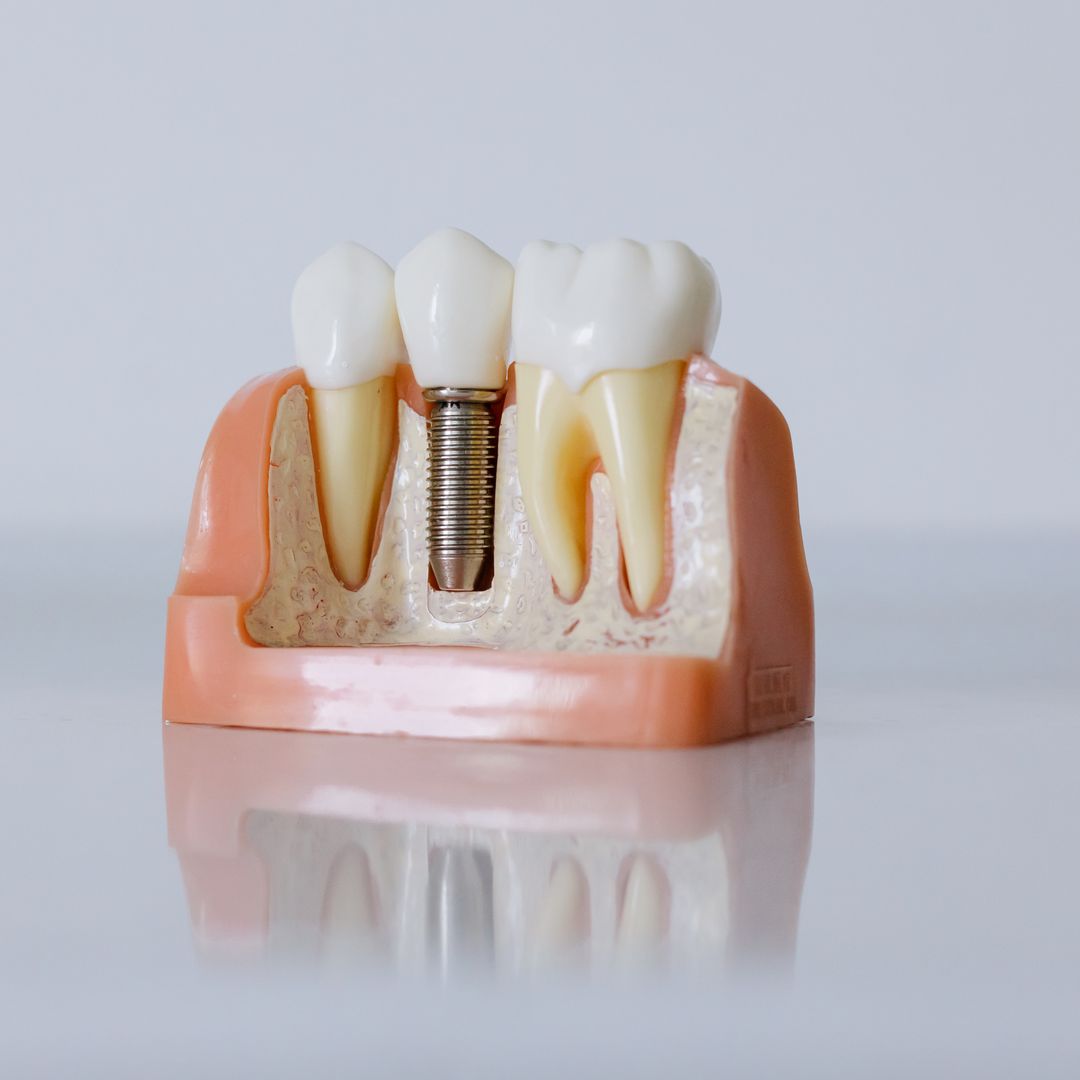

Dental implants not covered by NHIS Korea represent a significant out-of-pocket expense for foreign residents, as public health protection in this country focuses primarily on essential restorative dental care. While the National Health Insurance Service (NHIS) provides a subsidy for specific dental procedures, it does not extend to the full cost of specialized implant surgery. Understanding these limitations is a necessary step for anyone planning long-term dental maintenance while living abroad.
Eligibility for Public Dental Benefits
The NHIS provides partial coverage for dental treatments, but strictly restricts this to individuals aged 65 and older. This policy ensures that basic care remains accessible to the aging population. Foreign residents who do not meet the age criteria must identify alternative funding for any complex dental work. For those looking for a broader overview of state-sponsored options, our Health Insurance section provides a baseline of what is generally included under the national system.
Coverage Terms and Limitations
The current public system covers a maximum of two implants per lifetime for eligible seniors. Even within this bracket, the patient remains responsible for a significant portion of the total procedure cost. For the vast majority of foreign residents who fall outside these age-specific guidelines, the government considers implants to be elective or cosmetic rather than medically mandatory. Therefore, you should consult an Insurance Guide to determine if your private policy offers any riders or supplementary benefits to offset these costs.
Exclusions and Financial Responsibility
Because dental implants are frequently excluded from standard public plans, the financial burden rests entirely on the patient. Many residents choose to manage these costs through private dental insurance or dedicated savings plans. It is important to verify the scope of your specific Foreigner Insurance to avoid unexpected bills at the dental clinic.
| Feature | NHIS Dental Coverage | Private Dental Coverage |
|---|---|---|
| Eligibility | Aged 65 and older | Policy-dependent |
| Coverage Limit | 2 implants per lifetime | Varies by plan |
| Implant Type | Standard | Broad range available |
| Cost Structure | Partial subsidy | Reimbursement or direct pay |
Enrollment and Private Alternatives
If your dental needs require implants, you may consider purchasing a private policy before undergoing surgery. Private insurers in Korea offer various tiers of coverage, often bundled with other health services. Before finalizing a contract, you may also find it useful to consult experts regarding Tax Law implications, as certain medical expenses might be deductible during your annual filing.
Claims Process for Dental Expenses
For procedures that fall under the NHIS, the dentist’s office processes the discount automatically at the point of service. However, since implants are generally excluded, you will pay the full amount out of pocket unless you have a private policy. If you hold private insurance, you must request an itemized receipt (jin-ryo-bi-se-bu-nae-yeok-seo) from the dental clinic to submit to your insurer for potential reimbursement.
Official Sources and Checked Date
This information is provided in alignment with guidelines from the National Health Insurance Service and the Financial Services Commission. The details regarding coverage exclusions are accurate as of the article’s writing in 2026.
자주 묻는 질문 (FAQ)
Can I use my NHIS card to get a discount on dental implants?
Only if you are a resident aged 65 or older, and even then, it is limited to two implants per lifetime. Most residents must pay the full cost themselves.
Should I buy private dental insurance for implants?
Many residents find private coverage helpful if they anticipate needing implants, as it helps mitigate the high out-of-pocket costs excluded from the public system.
Does the NHIS cover any part of a dental implant procedure?
No, unless you meet the specific age criteria, the NHIS treats implants as elective procedures not covered by the standard statutory health insurance plan.
How do I claim for dental expenses under private insurance?
You must obtain an itemized receipt from your dentist and submit it according to your private insurer’s specific claims process.
Get in Touch
Have questions about your specific situation? Reach out anytime for a personal consultation.