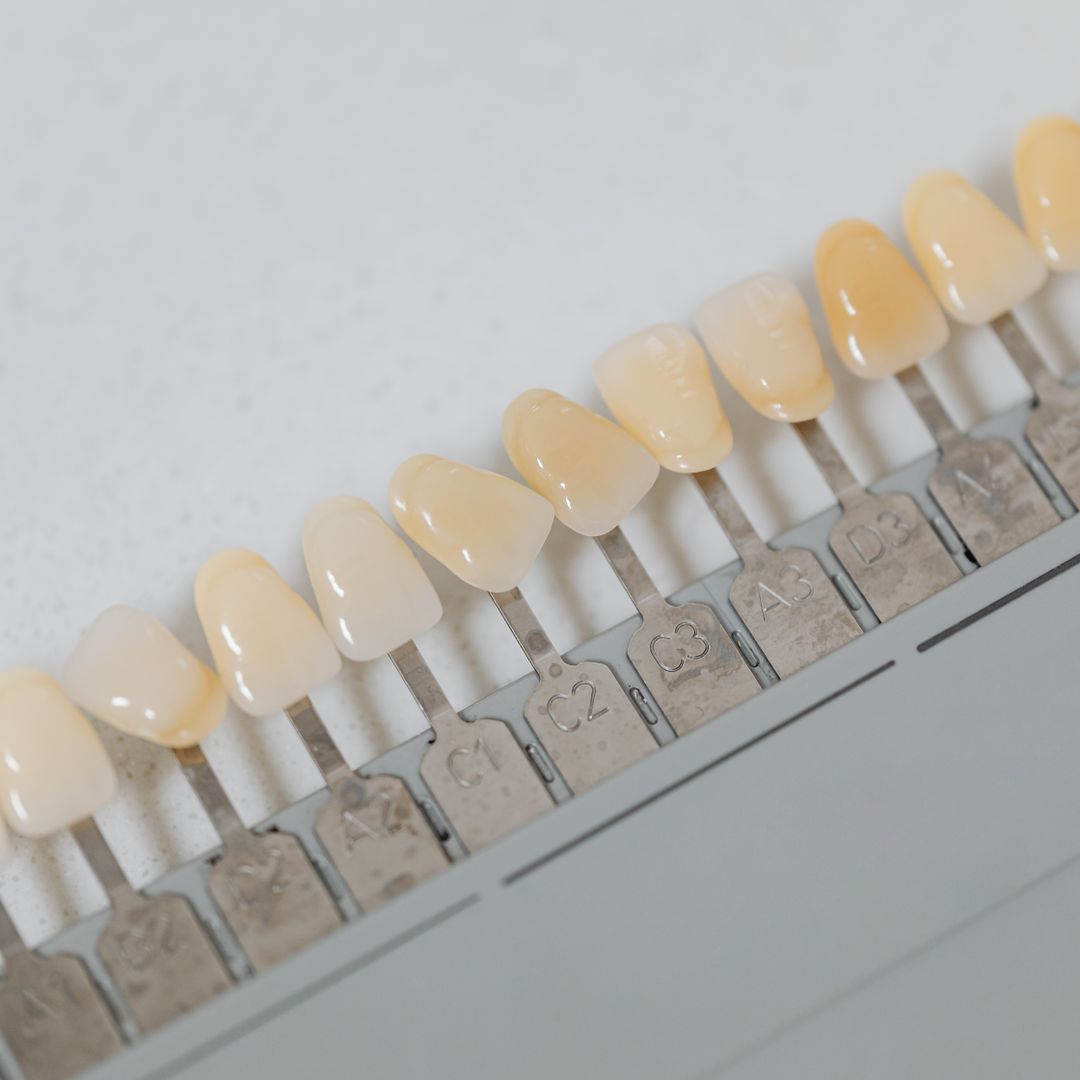

Cosmetic dentistry insurance foreign residents often seek is frequently misunderstood as a standard benefit under the national system. Accessing dental care in Korea involves a clear distinction between medically necessary treatments covered by the National Health Insurance Service (NHIS) and elective aesthetic procedures. Understanding these boundaries is critical for anyone planning their budget and Foreigner Insurance portfolio to avoid unexpected out-of-pocket expenses.
Eligibility for Dental Benefits
The primary source of health coverage in Korea is the statutory plan managed by the NHIS. All registered foreign residents, including those on work, student, or family visas, are typically mandated to enroll in this system. Eligibility for dental benefits is tied directly to your status as an active contributor to the NHIS.
Coverage Terms and Aesthetic Limitations
Standard state-provided health plans in Korea prioritize functional restoration rather than visual enhancement. If a treatment is classified as aesthetic, it generally falls outside the scope of statutory benefits.
| Treatment Type | Coverage Status | Typical Responsibility |
|---|---|---|
| Cavity Treatment | NHIS Covered | Partial co-payment |
| Dental Implants | NHIS Covered (Partial) | Age-dependent, limited to 2 |
| Teeth Whitening | Not Covered | 100% Patient cost |
| Veneers/Laminates | Not Covered | 100% Patient cost |
| Orthodontics | Not Covered | 100% Patient cost |
Exclusions and Private Options
Exclusions from the state plan are strictly enforced for any procedure deemed non-essential for health maintenance. When you seek cosmetic improvements, you are essentially looking at private healthcare services.
- Aesthetic dentistry: Procedures such as whitening, veneers, or cosmetic contouring are excluded because they do not restore physical function.
- Private supplementary plans: Many residents choose to augment their Health Insurance with private riders to cover gaps in coverage.
- Contractual limits: Always verify if your specific private contract includes dental riders, as many basic Life Insurance policies exclude dental work entirely.
Enrollment and Financial Planning
Enrolling for specialized dental coverage requires careful review of the policy documents provided by private carriers. Unlike the mandatory NHIS, which is deducted automatically from your salary or billed to your residence, private dental plans require individual application and premium payment. Consulting with a professional in Finance or a licensed insurance broker is recommended to ensure the policy matches your specific health goals.
Claims Processing
The claims process for dental procedures differs significantly depending on whether the service was medically necessary or cosmetic. For NHIS-covered items, the hospital typically processes the discount at the point of sale. For private insurance claims, you must collect itemized receipts and a medical certificate from your dentist to submit to your provider for reimbursement.
Official Sources and Checked Date
Detailed guidelines regarding what constitutes a “medically necessary” procedure are provided by the Financial Services Commission and the NHIS. These entities maintain updated lists of regulated and non-regulated dental services. This information was verified as of the article’s writing, and users should consult the official NHIS portal for the most current benefit schedules.
자주 묻는 질문 (FAQ)
Does the national insurance cover teeth whitening?
No, teeth whitening is considered an elective cosmetic procedure and is not covered by the National Health Insurance Service.
Can I get private insurance that covers all dental work?
Private dental insurance exists in Korea, but it often has specific waiting periods and coverage limits that exclude pre-existing conditions or purely aesthetic work.
How do I submit a claim for private dental coverage?
You must obtain an itemized receipt and a diagnosis report from your dental clinic to submit to your private insurer according to their specific claim guidelines.
Are dental implants covered for all foreign residents?
Partial coverage for implants is available through the NHIS, but it is generally restricted to individuals aged 65 and older, subject to specific criteria.
Where can I find the official list of covered dental treatments?
The official benefit list is maintained by the National Health Insurance Service and can be accessed through their English-language website.
Get in Touch
Have questions about your specific situation? Reach out anytime for a personal consultation.