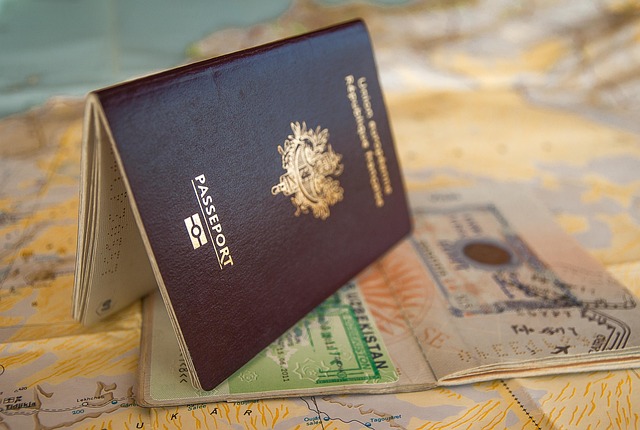
Unveiling the Critical Need for Korea Insurance for Marriage Visa F-6
Understanding the intricacies of Korea insurance for marriage visa F-6 is not merely a bureaucratic hurdle; it is a foundational element for a secure and prosperous life in South Korea. Many newcomers, eager to embrace their new journey, often overlook the profound implications of health and liability coverage, leading to unexpected financial burdens and significant stress. This comprehensive guide, crafted by an industry expert, aims to illuminate every facet of insurance requirements, helping you navigate the system effectively and avoid costly mistakes.
Securing appropriate insurance is not just a recommendation; for F-6 visa holders, it is an essential part of maintaining legal residency and ensuring access to vital healthcare services. Without proper coverage, individuals can face exorbitant medical bills, legal complications, and even issues with visa extension. This article will delve deep into the various insurance options, regulatory requirements, and practical advice to safeguard your future in Korea.
Navigating the Mandatory Requirements: Korea Insurance for Marriage Visa F-6
For individuals residing in South Korea under the F-6 Marriage Immigrant Visa, comprehensive health insurance is not optional. The Republic of Korea mandates that all foreign residents, including F-6 visa holders, subscribe to the National Health Insurance Service (NHIS) or demonstrate equivalent private coverage. This requirement stems from the government’s commitment to universal healthcare and ensuring that all residents can access necessary medical treatments without financial ruin.
The Ministry of Justice and the National Health Insurance Service are the primary authorities governing these regulations. As of July 2019, all registered foreigners who have resided in Korea for six months or more are automatically enrolled in NHIS, unless they prove an existing equivalent private insurance plan. This crucial policy shift underscores the paramount importance of prioritizing your Korea insurance for marriage visa F-6 from the outset of your stay.
Ignoring these mandates can lead to severe consequences. Unpaid insurance premiums can result in visa extension rejections, penalties, and even difficulties in future immigration processes. Therefore, understanding the specific guidelines and proactively enrolling in an appropriate plan is paramount for all F-6 visa holders.
Eligibility and Enrollment for National Health Insurance Service (NHIS)
The National Health Insurance Service (NHIS) is the cornerstone of healthcare in South Korea. For F-6 visa holders, enrollment typically becomes mandatory after six months of residency. However, dependents of Korean nationals (your spouse) may be covered immediately upon registration, and you may be able to join as a dependent, potentially simplifying the process and reducing immediate premium costs.
To enroll, you will need to register your alien registration card (ARC) at your local immigration office, which then automatically triggers the NHIS enrollment process. Alternatively, you can visit a local NHIS branch with your ARC, passport, and marriage certificate to confirm your dependent status or initiate individual enrollment. The process is generally streamlined, but careful attention to detail is crucial to prevent delays.
Key documents required for NHIS enrollment often include:
- Your Alien Registration Card (ARC)
- Passport
- Marriage Certificate (translated and notarized, if applicable)
- Proof of address in Korea
- Your Korean spouse’s identification and family relationship certificate (to prove dependent status)
Once enrolled, you will receive an NHIS card, granting you access to a vast network of hospitals and clinics nationwide. The convenience and comprehensive coverage offered by NHIS make it the most straightforward and often most cost-effective option for Korea insurance for marriage visa F-6.
Understanding NHIS Contribution Rates and Benefits
NHIS contribution rates for F-6 visa holders are generally calculated based on income and property, similar to Korean citizens. However, a minimum premium applies, which can fluctuate annually. As of late 2023, the monthly minimum premium for foreigners without income or property registered in Korea was approximately 140,000 KRW, subject to change by the Ministry of Health and Welfare. For dependents, there is no separate premium; they are covered under the main policyholder’s contributions.
The benefits provided by NHIS are extensive, covering a significant portion of medical expenses including:
- Outpatient and inpatient hospital visits
- Prescription medications
- Diagnostic tests (MRI, CT scans, ultrasounds)
- Dental care (basic procedures)
- Traditional Korean medicine
- Maternity care
- Preventive health screenings
It is important to note that while NHIS covers a substantial portion, there are co-payments for most services. For instance, a typical outpatient visit to a general clinic might require a 30-40% co-payment, while specialized hospital visits might have higher co-payments. Understanding these out-of-pocket expenses is crucial for budgeting and financial planning regarding your Korea insurance for marriage visa F-6.
Beyond NHIS: Private Insurance Options for F-6 Visa Holders
While NHIS offers robust coverage, there are scenarios where private insurance plans complement or, in some cases, act as primary coverage for Korea insurance for marriage visa F-6. This is particularly relevant during the initial six-month waiting period before mandatory NHIS enrollment or for those seeking supplementary benefits not fully covered by NHIS.
Private insurance can bridge coverage gaps, offering additional protection for specific needs. For example, some private plans provide:
- Full reimbursement for certain medical procedures (reducing co-payments)
- Coverage for conditions or treatments not fully subsidized by NHIS (e.g., advanced dental work, specific cosmetic procedures)
- International medical evacuation
- Travel insurance benefits for trips outside Korea
- Enhanced accident or critical illness coverage
These plans can be purchased from various Korean and international insurance providers. It is critical to compare policies carefully, paying close attention to deductibles, co-payments, coverage limits, and exclusions. For example, a travel insurance policy might cover the initial period, but it’s essential to confirm if it meets the long-term residency requirements set by the Ministry of Justice for F-6 visa holders.
When NHIS Isn’t Enough: Specific Needs for F-6 Holders
Even with comprehensive NHIS coverage, certain situations might warrant additional private insurance. Consider these scenarios:
Firstly, the initial six-month waiting period: If you arrive in Korea and cannot immediately enroll as a dependent, you are not covered by NHIS for the first six months. During this period, a robust private travel or health insurance plan is indispensable to protect against unexpected medical emergencies. Many choose a short-term international health insurance policy specifically for this gap.
Secondly, high-cost procedures or specific medical conditions: While NHIS covers many treatments, some advanced or experimental procedures might have limited coverage. If you have pre-existing conditions or anticipate specific high-cost treatments, a private plan can offer peace of mind by potentially covering a larger portion of these expenses.
Thirdly, enhanced comfort and convenience: Some private plans offer benefits like access to private rooms in hospitals, choice of doctor, or faster scheduling for non-emergency procedures, which are not typically guaranteed under the public system. For individuals prioritizing these aspects, supplemental private insurance can be a valuable investment for their Korea insurance for marriage visa F-6.
Comparing NHIS and Private Insurance for F-6 Visa Holders
Making an informed decision about your Korea insurance for marriage visa F-6 requires a clear understanding of the differences between the National Health Insurance Service (NHIS) and private insurance options. Both have distinct advantages and disadvantages that cater to different needs and financial situations.
Here is a comparison table to help illustrate the key differences:
| Feature | National Health Insurance Service (NHIS) | Private Insurance |
| Mandatory for F-6? | Yes, after 6 months residency (or immediately if spouse is Korean national) | No, but can supplement NHIS or cover initial gap |
| Cost Basis | Income/property-based (with minimum premium); dependent coverage often free | Fixed premiums based on age, health, coverage level |
| Coverage Scope | Broad, comprehensive health & dental care (with co-pays) | Varies greatly; can offer supplementary benefits, international coverage, lower co-pays |
| Co-payments | Standard co-payments apply (e.g., 30-40% for outpatient) | Can be structured to reduce or eliminate co-pays depending on plan |
| Pre-existing Conditions | Generally covered after enrollment | May have waiting periods, exclusions, or higher premiums |
| Enrollment Process | Automatic after ARC registration or direct application to NHIS | Application directly with insurer, medical underwriting often required |
| Emergency Coverage (Initial 6 months) | Not covered unless enrolled as dependent | Excellent for covering the initial gap |
The choice often isn’t one or the other but rather how private insurance can fill the voids left by NHIS, especially during the critical initial period or for very specific health needs. Always consult with a licensed insurance advisor to tailor a plan best suited for your individual circumstances as an F-6 visa holder.
Avoiding Common Pitfalls with Korea Insurance for Marriage Visa F-6
Even with ample information, many F-6 visa holders encounter preventable issues when managing their insurance. Being aware of these common pitfalls can save you significant time, money, and stress, ensuring your Korea insurance for marriage visa F-6 remains robust and effective.
One of the most frequent errors is underestimating the importance of the initial six-month period. Many assume they are immediately covered upon arrival, which is often not the case unless they qualify as an immediate dependent under their Korean spouse’s existing NHIS. Failing to secure private coverage for this interim can leave you vulnerable to enormous medical bills should an accident or illness occur shortly after arrival. The average cost for a simple emergency room visit in Seoul can easily exceed 500,000 KRW without insurance, escalating dramatically for more serious conditions.
Another pitfall is failing to update your information with NHIS or your private insurer. Changes in address, income, or visa status must be reported promptly. Failure to do so can lead to incorrect premium calculations, delayed service, or even invalidation of your coverage. Always ensure your contact details and residency status are current with all relevant insurance providers.
Ignoring Waiting Periods and Exclusions
A critical mistake many make is ignoring waiting periods and exclusions, particularly with private insurance plans. Most private health insurance policies, especially those covering pre-existing conditions, will have an initial waiting period (e.g., 30 days to 1 year) before full coverage for certain ailments begins. For example, some maternity benefits in private plans might have a 12-month waiting period.
Exclusions are also important. Some policies might exclude coverage for certain types of sports injuries, elective procedures, or treatments related to specific chronic conditions. It is imperative to read the fine print of any private policy before purchasing, ensuring it aligns with your health needs and expectations for Korea insurance for marriage visa F-6.
Even NHIS has certain exclusions, such as purely cosmetic procedures or some very advanced experimental treatments. While generally comprehensive, a full understanding of what is and isn’t covered will prevent surprises. Consulting the NHIS website or a local branch can clarify these details.
Underestimating Costs and Not Budgeting Effectively
Many F-6 visa holders underestimate the true cost of healthcare, even with insurance. While NHIS significantly reduces costs, co-payments and non-covered services can still add up. For example, regular dental check-ups are covered, but orthodontics or extensive cosmetic dental work are not.
Budgeting effectively for healthcare means understanding not just premiums, but also potential co-payments, deductibles, and out-of-pocket maximums. For private insurance, these figures can vary widely. A policy with a lower premium might have a higher deductible, meaning you pay more out of pocket before the insurance kicks in. Conversely, a higher premium might offer lower deductibles and co-payments, leading to less financial strain during actual medical events.
It is advisable to set aside a contingency fund specifically for medical expenses, even with robust Korea insurance for marriage visa F-6. This proactive financial planning can mitigate unexpected burdens and ensure you are always prepared for health-related expenditures.
The Application Process for Korea Insurance for Marriage Visa F-6: A Step-by-Step Guide
Successfully navigating the application process for Korea insurance for marriage visa F-6 is vital. While NHIS enrollment is largely automated or straightforward, understanding the steps for both public and potential private coverage ensures a smooth transition and avoids bureaucratic headaches.
Step 1: Obtain Your Alien Registration Card (ARC)
Upon arrival in Korea with your F-6 visa, your first priority (within 90 days) is to apply for your Alien Registration Card at the local immigration office. This card is your primary identification document and is essential for all official processes, including insurance enrollment. Without an ARC, you cannot formally enroll in NHIS or most private Korean insurance plans.
Step 2: Assess Your Immediate Insurance Needs (First 6 Months)
If you are not immediately covered as a dependent under your Korean spouse’s NHIS (which requires specific family registration documents), you will need a private insurance plan for the initial six months. Research and purchase a suitable short-term international health or travel insurance plan before or immediately upon arrival. Ensure it has adequate medical coverage for your stay.
Step 3: NHIS Enrollment (After 6 Months or as Dependent)
Once you have resided in Korea for six months, or if you qualify as an immediate dependent of a Korean national (your spouse), NHIS enrollment will either happen automatically or can be initiated. Visit a local NHIS branch with your ARC, passport, marriage certificate, and any other required family documents. The staff can guide you through the dependent registration or individual enrollment process.
Step 4: Receive Your NHIS Card and Understand Premiums
After successful enrollment, you will receive your NHIS card. Monthly premiums will be calculated and billed to your registered address. Ensure you understand the payment due dates and methods (bank transfer, automatic debit). Failure to pay premiums can lead to suspension of benefits and penalties, affecting your visa status.
Step 5: Consider Supplementary Private Insurance
Once covered by NHIS, evaluate if you require supplementary private insurance. This might be for enhanced coverage, specific medical needs, or international travel. Research Korean and international providers, comparing policies, benefits, and costs to find a plan that complements your NHIS coverage effectively.
Following these steps diligently will ensure you have comprehensive and compliant Korea insurance for marriage visa F-6 throughout your residency.
Practical Tips and Recommendations for F-6 Visa Holders
To further empower F-6 visa holders in managing their Korea insurance for marriage visa F-6, consider these practical tips and recommendations:
Proactive Communication is Key
- Always inform NHIS or your private insurer about changes in your contact information, employment status, or visa status. This ensures continuous coverage and correct premium billing.
- Don’t hesitate to contact the NHIS foreigner call center (1577-1000) for assistance. They offer services in multiple languages, including English, and can provide detailed information specific to your situation.
- When visiting clinics or hospitals, always present your ARC and NHIS card to ensure you receive the correct subsidized rates.
Keep Records Organized
- Maintain a dedicated folder for all insurance-related documents, including your NHIS card, policy details, premium payment receipts, and any correspondence. This will be invaluable for visa extensions or future inquiries.
- Digitally back up important documents. A secure cloud storage solution can prevent loss and provide easy access when needed.
Seek Professional Advice
- If you have complex medical needs or financial situations, consider consulting with a licensed insurance broker specializing in expatriate insurance in Korea. They can offer tailored advice and help you compare various private plans.
- The Korea Immigration Service (KIS) also provides guidance on visa-related matters, including insurance requirements. Their website (hikorea.go.kr) is an official source of information.
Understand Your Rights and Responsibilities
- Familiarize yourself with the NHIS regulations and your rights as a policyholder. Knowing what you are entitled to and your obligations will prevent misunderstandings.
- Be aware of the penalties for non-payment of premiums, which can include interest charges, suspension of benefits, and difficulties with future visa applications or extensions.
By integrating these recommendations into your approach, you can effectively manage your Korea insurance for marriage visa F-6, ensuring both your health and legal status are well-protected in South Korea.
Conclusion: Securing Your Future with Proper Korea Insurance for Marriage Visa F-6
In conclusion, the journey of an F-6 marriage visa holder in South Korea is filled with exciting opportunities, but it also comes with critical responsibilities, especially concerning health and financial security. Diligently managing your Korea insurance for marriage visa F-6 is not just a regulatory compliance; it is a fundamental step towards building a stable and worry-free life in your new home.
From understanding the mandatory enrollment in the National Health Insurance Service (NHIS) to discerning when and how private insurance can provide invaluable supplementary coverage, every detail plays a significant role. The potential penalties for negligence, ranging from staggering medical bills to visa complications, underscore the importance of proactive and informed decision-making.
By adhering to the guidelines set by the Ministry of Justice and NHIS, keeping your records meticulous, and seeking expert advice when needed, you can confidently navigate the complexities of the Korean insurance landscape. Prioritizing your Korea insurance for marriage visa F-6 is an investment in your well-being, providing the peace of mind necessary to fully embrace your life as a valued member of Korean society.
🔗 Korea insurance for marriage visa F-6 연관 인기 가이드
- ✨ Korea insurance for marriage visa F-6 Extensive Industry Report
- ✨ Korea insurance for marriage visa F-6 Extensive Industry Report
- ✨ Korea insurance for marriage visa F-6 Extensive Industry Report
- ✨ Korea insurance for marriage visa F-6 Extensive Industry Report
- ✨ Korea insurance for marriage visa F-6 Extensive Industry Report
- ✨ Korea insurance for marriage visa F-6 Extensive Industry Report
📚 References & Official Sources
❓ Frequently Asked Questions
Is Korea insurance for marriage visa F-6 mandatory?
Yes, all F-6 visa holders must be covered by the National Health Insurance Service (NHIS) after six months of residency, or immediately if eligible as a dependent of a Korean national.
What are the consequences of not having proper Korea insurance for marriage visa F-6?
Not having proper insurance can lead to high out-of-pocket medical expenses, accumulated unpaid premiums, fines, and potential issues with visa extensions or future immigration processes.
Can I use private insurance instead of NHIS for my F-6 visa?
Private insurance can cover the initial six-month period before NHIS enrollment or supplement NHIS, but it cannot generally replace the mandatory NHIS coverage for long-term residents unless specifically approved as an equivalent by the authorities.